
Pedicure Gouge: What It Is, What It’s Used For, and How to Choose a Professional Tool
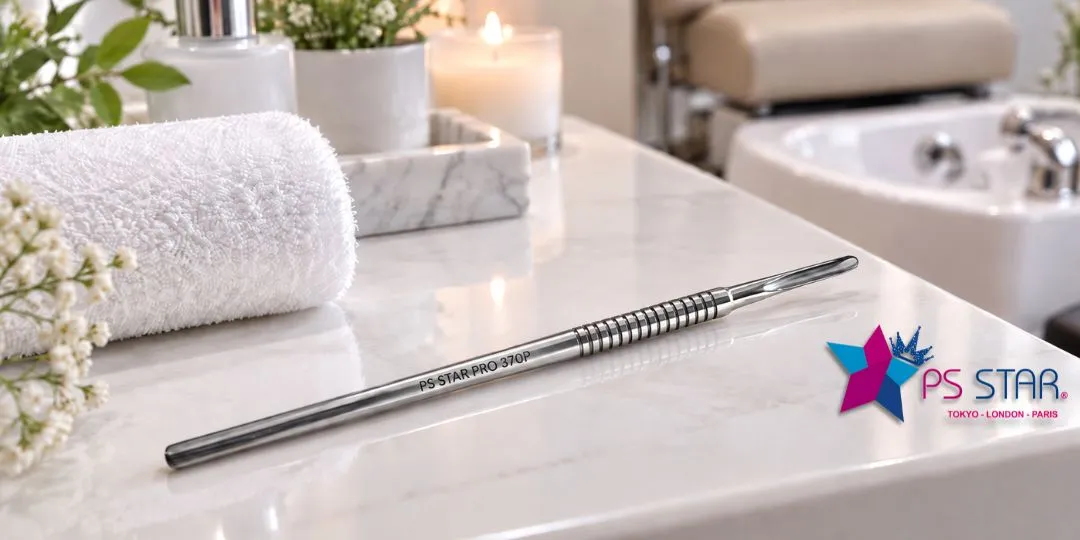
A pedicure gouge is one of those professional tools that may look simple at first, but once you start using it correctly, it quickly becomes an essential part of your workstation.
It is not meant to replace a nail nipper, cutter, curette, or guide tool. Its real value comes from doing one very specific job well: reaching narrow areas around the nail, working along the lateral nail channel, and helping with precise cleaning and access where larger tools may be less practical.
In our work, we mainly use a gouge when we need to reach the side of the nail and work in areas where visibility and control matter.
Over time, I have learned that professional pedicure work is not about having as many tools as possible. It is about having the right tool for each step.
That is exactly where a professional pedicure gouge makes a difference.
What Is a Pedicure Gouge?
A pedicure gouge is a slim professional instrument designed to reach tight areas around the nail.
One of its most important features is the shape of the tip.
Depending on the design, gouges can vary, but when working along the side of the nail, a grooved or channeled tip can be especially useful.
The reason is simple.
The lateral nail channel is narrow. If the instrument is too wide, it may block visibility or make it harder to control your movements. A slim gouge can make it easier to reach the area without using unnecessary force.
In my experience, this difference in tip design becomes very noticeable during day-to-day work. When the instrument follows the shape of the nail edge naturally, the procedure feels more controlled and more comfortable.

What Is a Pedicure Gouge Used For?
A professional gouge can be used for several precision tasks around the nail, especially when working along the lateral channel.
Common uses include:
- reaching narrow areas around the nail;
- cleaning the lateral nail channel;
- working around small nail fragments;
- helping access difficult-to-reach areas;
- refining the side of the nail;
- complementing cutting tools during professional pedicure work.
One point is especially important: a gouge is not necessarily the tool used to make the initial cut.
In many procedures, the cutting step is done first with a dedicated cutting instrument. The gouge is then used afterward.
Understanding that difference makes it much easier to understand what this tool is actually designed to do.
Why the Lateral Nail Channel Matters
The lateral nail channel is one of the areas that requires the most precision during a professional pedicure.
It is narrow, visibility can be limited, and larger tools are not always comfortable to use there.
When I work in this area, I prefer an instrument that lets me see what I am doing and reach the nail edge in a controlled way.
A slim gouge is especially useful for that.
The goal is not to apply force.
The goal is to reach, guide, and work with precision.
That is one of the main reasons I find a professional gouge far more practical than trying to do the same job with a tool that was not designed for the lateral nail channel.
What Makes a Good Professional Pedicure Gouge?
I would not choose a gouge simply because it looks thin or resembles another pedicure instrument.
There are several features worth paying attention to.
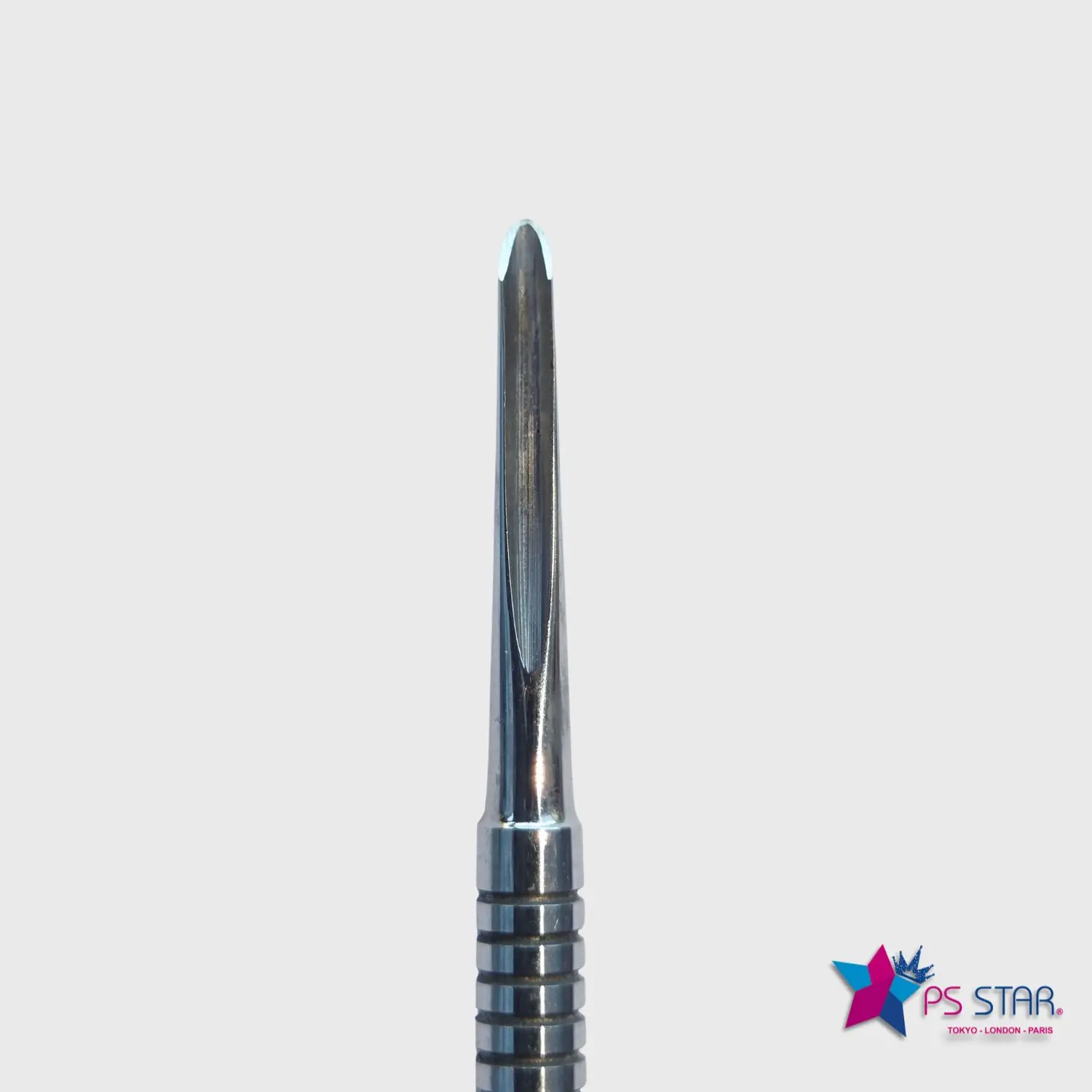
Grooved or Channeled Tip
The tip is probably the most important part of the tool.
A channeled design can help the instrument follow the side of the nail and reach into narrow areas more naturally.
During daily work, this makes access easier and gives the user a more direct feel for the area being treated.
When I use a professional gouge, I want the tip to go where I need it without forcing the instrument into position.
Oblique Tip Design
The angle of the tip also matters.
An oblique tip can make it easier to approach narrow spaces from a more practical angle.
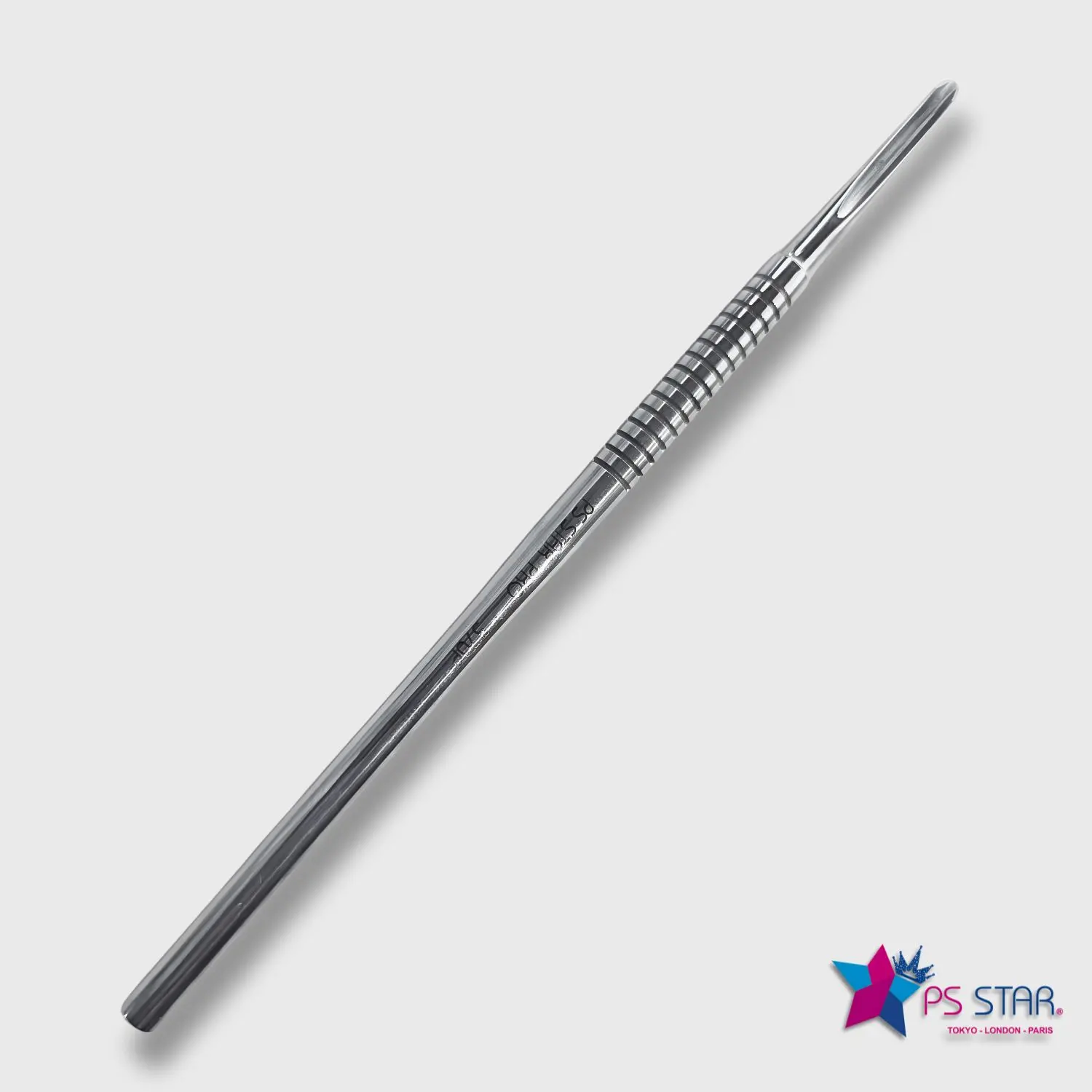
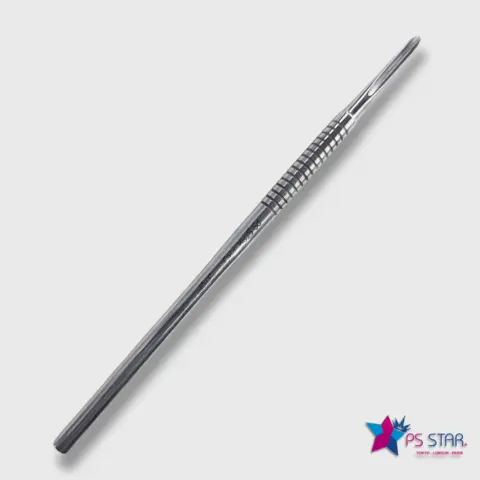
On our 370P Cobalt PRO Professional Gouge, the combination of an oblique and channeled tip is specifically designed to improve access to the lateral nail channel. The current product description also highlights its slim profile, non-slip grip, and cobalt-alloy stainless steel construction.
Ergonomic Handle
Ergonomics are not a minor detail.
When you work with small tools for long periods of time, grip and comfort directly affect control.
A good handle should allow you to hold the instrument securely without squeezing too hard.
Personally, I value slim, non-slip handles because they give me better control while also keeping more of the working area visible.
Professional-Grade Material
The material is another important consideration.
A professional pedicure tool should be made for repeated use and should fit into proper cleaning and sterilization procedures.
Our 370P gouge is made from high-performance stainless steel with a cobalt alloy and is designed for professional pedicure use.
I would never choose a gouge based only on the shape of the tip. Material quality and the way the tool holds up in a professional environment matter just as much.
-
NEW

Gouge ( Gubia ) for Ingrown Toenails 370P PODO Ps Star Professional
US$ 14.00 Add to cart -
NEW
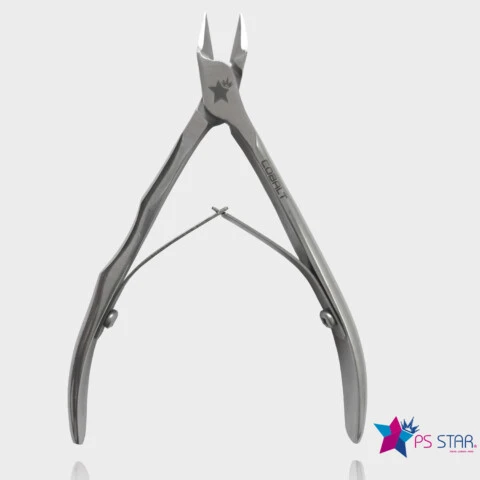
412P Long Tip Nail Nippers PODO, Ps Star Professional
US$ 26.50 Add to cart -
NEW
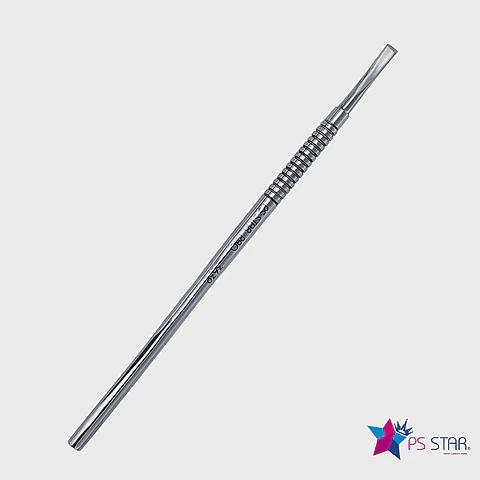
Guide – Cutter for Ingrown Toenails 363P PODO Ps Star Professional
US$ 14.00 Add to cart -
NEW
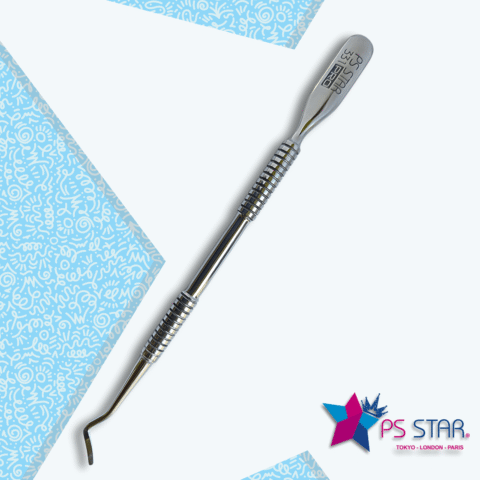
Curette + Pusher 331P PODO Ps Star Professional
US$ 12.50 Add to cart
How Do You Use a Pedicure Gouge?
The exact technique depends on the specific task you are performing.
In general, a gouge is used to enter the lateral area of the nail carefully and work with small, controlled movements.
One thing I consider very important is not treating it like a force tool.
The value of the gouge is precision.
When I work along the nail edge, I try to keep the area visible and use the tip to access the channel rather than making aggressive or unnecessary movements.
For nails that tend to become ingrown, for example, the gouge can be used after the appropriate cutting step to help work along the side of the nail and access a small nail fragment.
That procedure deserves a separate, more focused explanation, which is why it makes sense to cover it in a dedicated guide about gouges for ingrown toenails.
Gouge vs. Nail Nipper vs. Guide Cutter
These tools do not perform the same job.
A professional nail nipper is primarily designed to cut.
A guide cutter can help continue or refine certain lateral cuts.
A gouge is especially useful for access, removal, and cleaning work.
When each tool is used for the task it was designed to perform, the workflow becomes much more organized.
In our professional system, we often combine different instruments depending on the job.
For example:
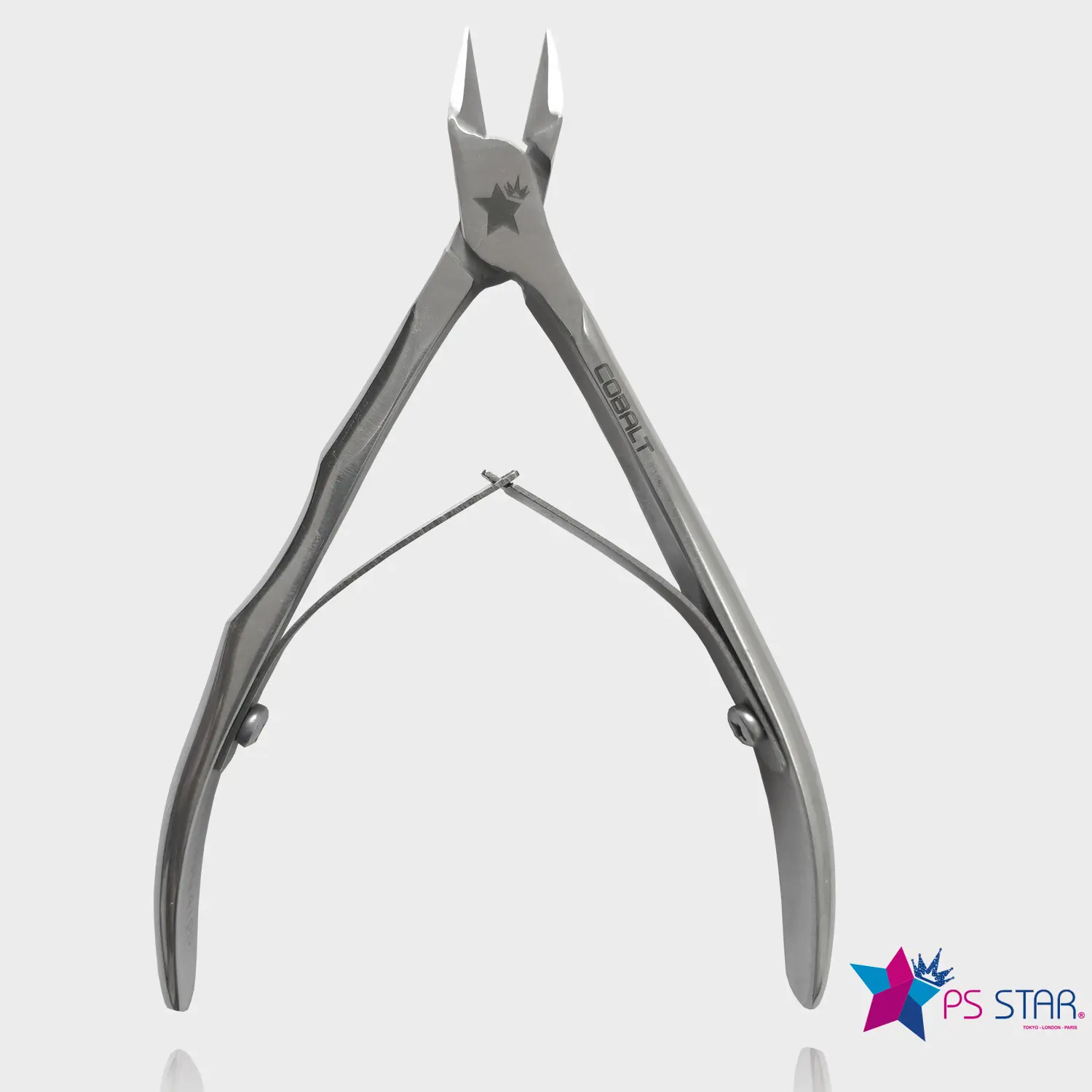
- the 412P Long Tip Nail Nipper for the lateral cutting step;
- the 363P Guide Cutter to continue or refine the lateral cut;
- the 370P Gouge to access the channel and work in the area after cutting.
These three models are currently presented together in PS Star’s Pedicure PRO line. MyPSStar
This does not mean all three tools are required in every situation. It simply means that each one is designed to handle a different part of the work.
How to Clean and Sterilize a Pedicure Gouge
For any reusable professional instrument, cleaning and sterilization are just as important as the shape of the tool itself.
A professional gouge should fit into the normal maintenance protocol used for pedicure instruments.
The 370P is designed to be compatible with autoclave sterilization and appropriate chemical disinfection processes. MyPSStar
This makes it easier to integrate into the normal workflow of a professional pedicure station.
Always follow the instructions for the tool, the sterilization system being used, and any compatible chemical products.
What to Look for When Buying a Pedicure Gouge
If I were choosing a professional pedicure gouge, I would pay attention to:
- tip shape;
- width of the instrument;
- quality of the steel;
- durability;
- handle comfort;
- grip;
- ease of cleaning;
- sterilization compatibility;
- the specific task the tool was designed for.
I would not choose based on price alone.
A tool you expect to use regularly should give you control, precision, and confidence in the hand.
In my experience, once you use a properly designed gouge, you quickly understand why it becomes such a useful tool for detailed work around the nail.
PS Star 370P Cobalt PRO Professional Gouge
Our 370P Cobalt PRO Professional Gouge is designed for precision work in professional pedicure services.
It is made from high-performance stainless steel with a cobalt alloy and features an oblique, channeled tip designed to improve access to the lateral nail channel. It also has a slim profile and non-slip ergonomic grip for better visibility and control.
For us, three things matter most:
grip, visibility, and control.
The tool is also designed to work within professional sterilization routines, including autoclave and compatible chemical processes.
We do not see it as just another pedicure instrument.
We see it as a specialized tool for situations where access is limited and precision matters.

Why a Professional Gouge Becomes So Useful
Some tools are used only occasionally. Others become a regular part of the workstation.
A pedicure gouge can easily fall into that second category for professionals who regularly work around the lateral nail channel and other hard-to-reach areas.
For me, the main advantage is not that it makes the procedure more complicated.
It does the opposite.
When I have a tool with a tip designed specifically to reach the area I want to work on, I need fewer unnecessary movements and I have better control.
That matters in any job that depends on precision.
Conclusion
A pedicure gouge is a specialized professional tool designed to help reach narrow areas around the nail, especially the lateral nail channel.
A good professional gouge should offer a precise tip, comfortable grip, durable material, and compatibility with proper cleaning and sterilization procedures.
In our work, we prefer tools that have a clearly defined purpose and perform that purpose well.
That is why the 370P is part of our professional system alongside tools such as the 412P Long Tip Nail Nipper and the 363P Guide Cutter.
Not because all three tools do the same thing, but because each one handles a different stage of the work.
Frequently Asked Questions About Pedicure Gouges
What is a pedicure gouge?
A pedicure gouge is a slim professional instrument used to work in small areas around the nail, especially the lateral nail channel.
What is a pedicure gouge used for?
It is mainly used to improve access to narrow spaces, clean the lateral nail channel, and perform detailed work around the nail.
Does a pedicure gouge cut the nail?
Its primary purpose is not to make the initial cut. Cutting tools such as nail nippers and guide cutters are better suited for that step.
What type of tip should a professional gouge have?
For lateral nail work, a slim, grooved or channeled tip can be especially useful because it allows better access to narrow areas.
Can a pedicure gouge be sterilized?
It depends on the model and material. The PS Star 370P is designed for autoclave sterilization and compatible chemical processing. MyPSStar
Can a gouge be used for ingrown toenails?
Yes. It can be part of the professional instrument set used to work along the lateral nail channel in nails that tend to become ingrown. In that context, it is particularly useful after the cutting step for accessing and working around the nail fragment.
With love for you, PS STAR 🌟
Always by your side, every step of the way.
-
NEW
Gouge ( Gubia ) for Ingrown Toenails 370P PODO Ps Star Professional
US$ 14.00 Add to cart -
NEW
412P Long Tip Nail Nippers PODO, Ps Star Professional
US$ 26.50 Add to cart -
NEW
Guide – Cutter for Ingrown Toenails 363P PODO Ps Star Professional
US$ 14.00 Add to cart -
NEW
Curette + Pusher 331P PODO Ps Star Professional
US$ 12.50 Add to cart